 how-to
How to Use Sound Frequency for Nervous System Regulation
Last Updated: October 23, 2026
Quick Summary
To use sound frequency for nervous system regulation, start with low tones in the 40 to 60 Hz range or calming tones around 432 Hz and 528 Hz, keeping the volume low to moderate. Listen for 15 to 30 minutes per session, and stay with one frequency for a few sessions so you can notice what works.
- Slow, low tones tend to nudge you toward the parasympathetic side, while fast, sharp sounds do the opposite.
- Beginners should start with 10-15 minutes per session, and a daily practice of 20-30 minutes works well for most.
- Binaural beats require stereo headphones because speakers won't work, and alpha (8-12 Hz) supports calm focus.
- A sound bath surrounds you with layered instruments like singing bowls and gongs, so your body feels the vibration.
- The biggest mistake is treating sound frequency as a quick fix instead of a practice, so keep sessions consistent.
Table of Contents
- How Sound Frequencies Interact With Your Nervous System
- Step 1: Set Up Your Sound Frequency Session
- Step 2: Choose Sound Frequencies for Relaxation
- Step 3: How Long to Listen to Healing Frequencies
- Step 4: Use Binaural Beats for Anxiety Relief
- Step 5: Explore Sound Bath Benefits for Deeper Regulation
- Common Mistakes to Avoid When Using Sound Frequency
- Conclusion
- Frequently Asked Questions
How Sound Frequencies Interact With Your Nervous System
Sound frequency is the rate at which sound waves vibrate, measured in hertz (Hz), and it can influence the body's stress response by shifting the nervous system out of fight-or-flight. This guide explains how to use sound frequency for nervous system regulation, step by step.
The link between sound and calm is not new. Researchers and clinicians have studied how rhythmic sound and music affect heart rate, breathing, and stress hormones. According to the National Center for Complementary and Integrative Health, mind and body practices like music and sound-based relaxation are widely used by Americans for stress relief.
Your body has two main modes: the sympathetic (alert and ready) and the parasympathetic (rest and digest). Slow, low tones tend to nudge you toward the parasympathetic side. Fast, sharp sounds do the opposite.
Below, we'll show you exactly how to build a simple sound frequency practice at home, and what to expect along the way.
The vagus nerve connection
The vagus nerve is the main nerve of the parasympathetic system, running from your brain down to your gut. When it's active, your heart rate slows and your muscles release tension.
Sound may support vagal tone through rhythm and vibration. Many practitioners find that steady, low-frequency tones help the body settle. For a deeper look, see our guide on how vagus nerve stimulation works.
Step 1: Set Up Your Sound Frequency Session
A good session starts with a quiet space, comfortable posture, and reliable headphones. Get the setup right and the rest is easy.
What you'll need:
- Noise-canceling headphones or a small speaker
- A quiet room where you won't be interrupted
- A timer
- A chair or floor cushion that supports your back
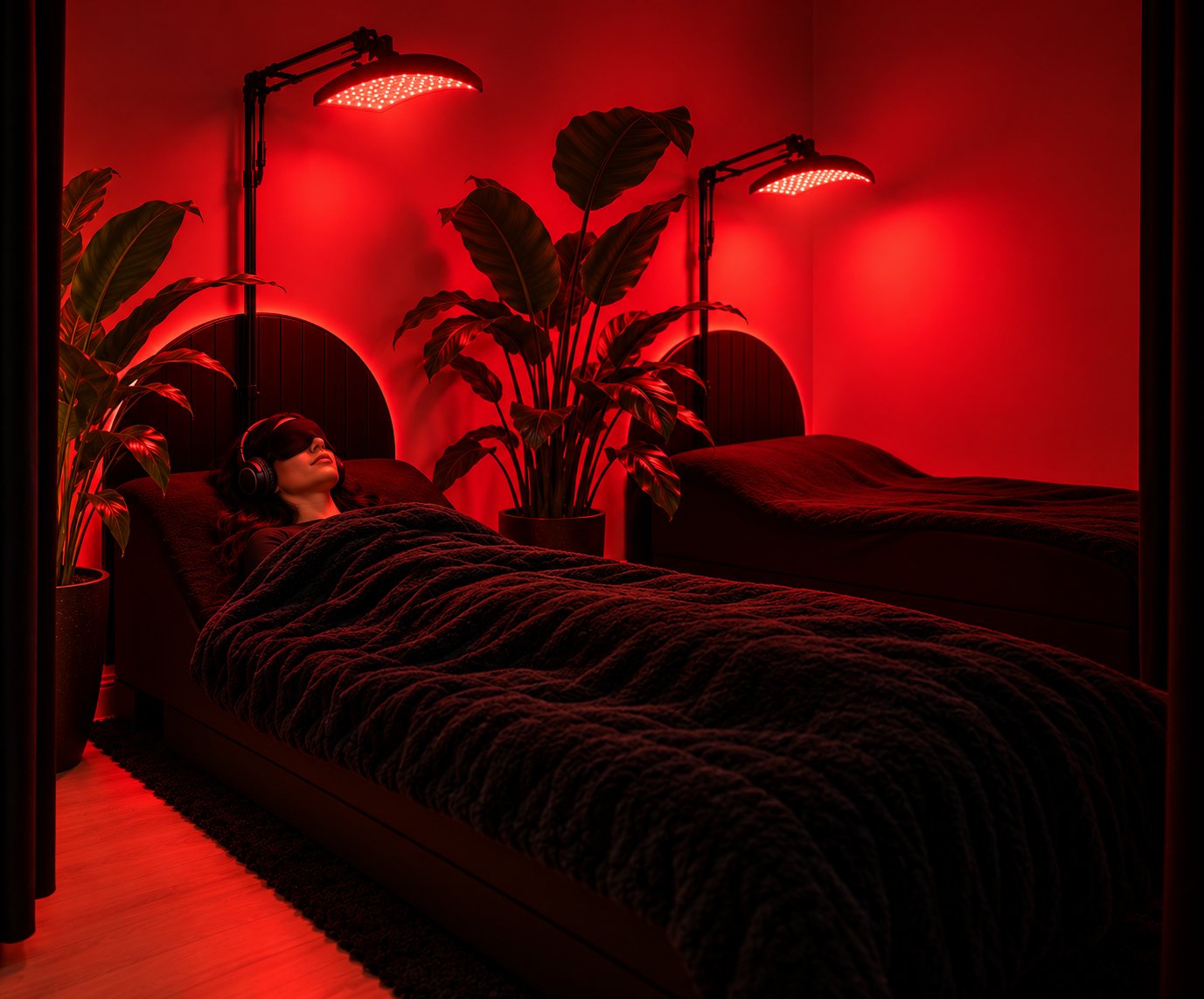
Try these setup tips:
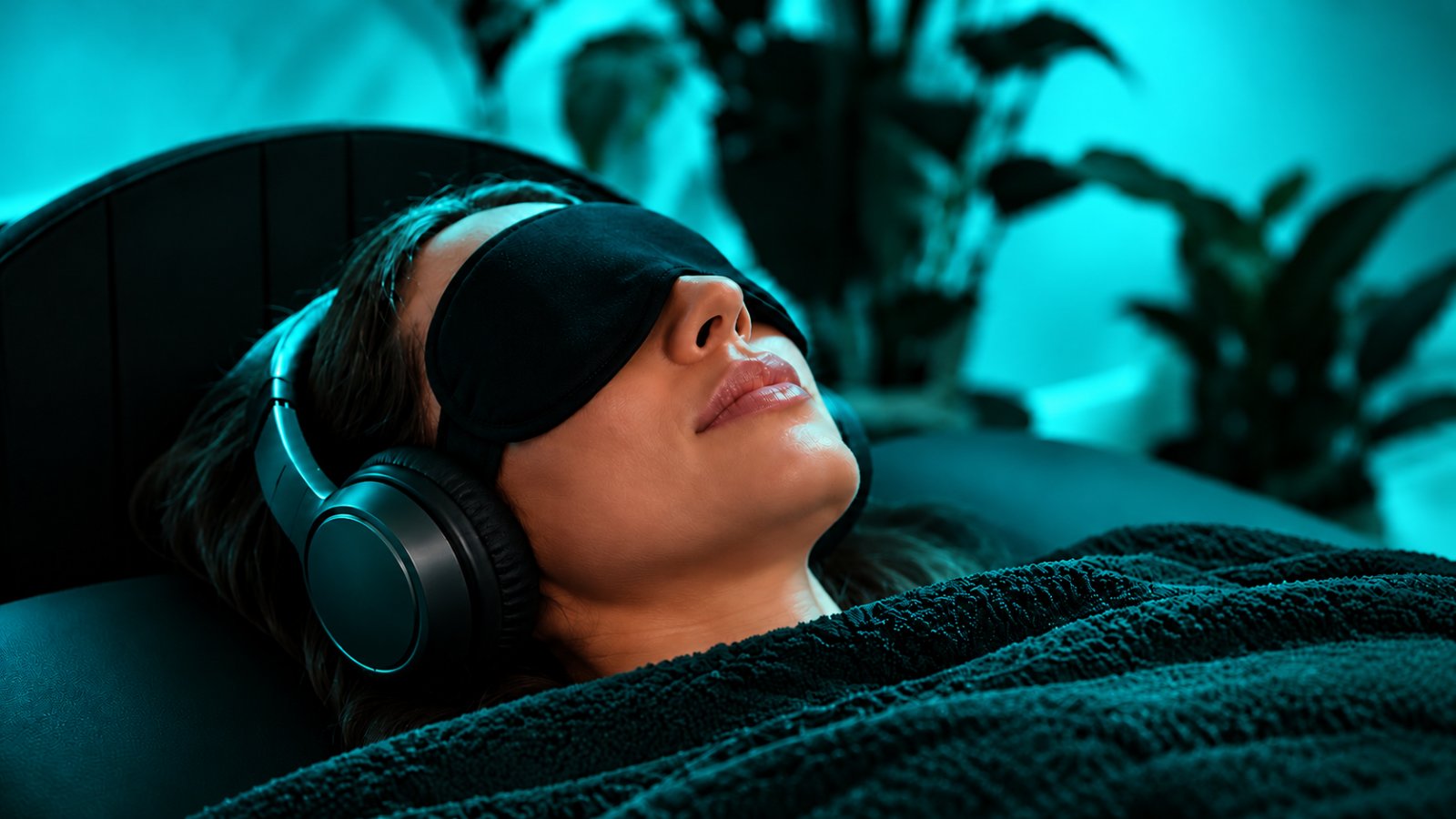
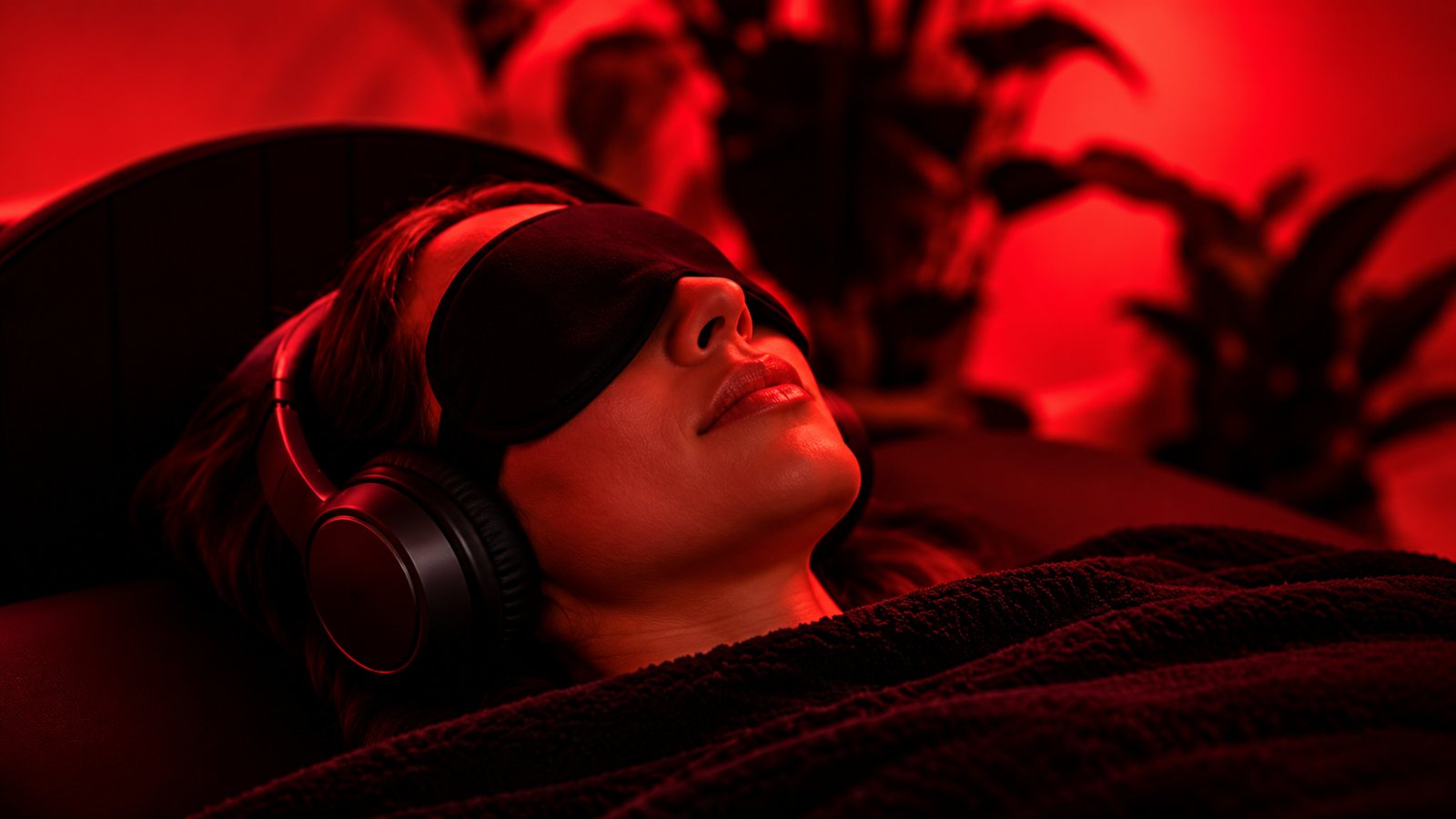
- Dim the lights or use an eye mask
- Put your phone on silent, face down
- Keep the volume low to moderate, never loud
- Sit or lie somewhere you can fully relax
A common mistake is blasting the volume to "feel it more." That backfires. Loud sound keeps the body alert. Keep it gentle.
Step 2: Choose Sound Frequencies for Relaxation
For relaxation, most people start with low frequencies in the 40 to 60 Hz range, or calming tones around 432 Hz and 528 Hz. These are the most popular sound frequencies for relaxation in guided sessions.
Here's a simple way to think about it:
| Frequency Range | Common Label | Best For |
|---|---|---|
| 40-60 Hz | Low bass tones | Deep physical relaxation |
| 174-285 Hz | Grounding tones | Settling after a stressful day |
| 396-528 Hz | Calming tones | Meditation and wind-down |
| 8-12 Hz (binaural) | Alpha range | Focused calm |
Start with one frequency and stay there for a few sessions. To complement your practice, you can also discover which supplements support nervous system health. Jumping between tracks every night makes it hard to notice what works.
Step 3: How Long to Listen to Healing Frequencies
Most people do well with 15 to 30 minutes per session. That's the short answer to how long to listen to healing frequencies: long enough to settle, short enough to stay consistent.
A few practical guidelines:
- Beginners: start with 10-15 minutes
- Daily practice: 20-30 minutes works well for most
- Before sleep: 15-20 minutes in bed is plenty
- Athletes: a second short session after training can help recovery
Longer is not automatically better. A calm, focused 15 minutes beats a restless hour. Set a timer so you're not checking the clock.
Step 4: Use Binaural Beats for Anxiety Relief
Binaural beats for anxiety work by playing two slightly different tones in each ear. Your brain blends them into a single pulsing rhythm, which many people find calming.
To try it:
- Put on stereo headphones (speakers won't work)
- Choose alpha (8-12 Hz) for calm focus or theta (4-8 Hz) for deep relaxation
- Start with 10 minutes and build up
- Keep the volume low
The effect is subtle, not dramatic. Think of it as a gentle nudge, not a switch. If you feel nothing after several tries, that's normal for some people. Try a different frequency range before giving up.
Step 5: Explore Sound Bath Benefits for Deeper Regulation
Sound bath benefits go beyond a single tone. If you're weighing your options, you can compare vibroacoustic therapy vs sound baths to see which fits your relaxation goals. A sound bath surrounds you with layered instruments, like singing bowls and gongs, so your body feels the vibration as much as it hears it.
People often report:
- Slower breathing and a calmer heart rate
- Less mental chatter
- Better sleep after evening sessions
- A sense of physical release in the shoulders and jaw
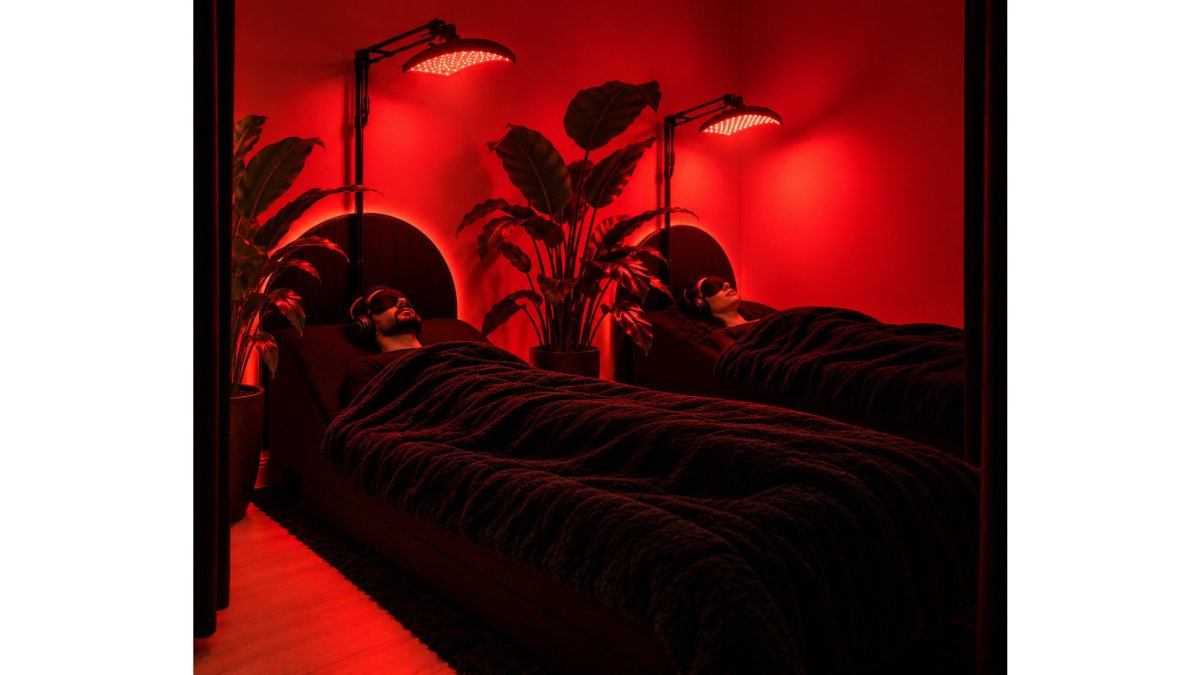
At Signature Unwind, our Signature Unwind session pairs immersive vibroacoustic sound therapy with complete privacy, so you can drop into deep relaxation without distractions. You can experience the Signature Unwind in our West Los Angeles sanctuary.
Common Mistakes to Avoid When Using Sound Frequency
The biggest mistake is treating sound frequency as a quick fix instead of a practice. It works best as a routine, not a one-off.
Other common errors:
- Volume too high, which keeps the nervous system alert
- Multitasking during sessions, like scrolling or answering emails
- Skipping consistency, then concluding it "doesn't work"
- Expecting instant results after one session
- Ignoring sleep and stress basics, which no frequency can override
If sound frequency alone isn't moving the needle, a broader plan helps. Our step-by-step guide on how to fix a dysregulated nervous system covers the full picture.
Conclusion
Regulating your nervous system takes repetition, not perfection. Start with one frequency, keep sessions short and quiet, and give it two weeks before you judge the results.
If you'd like guidance and a space built for deep rest, Signature Unwind offers our immersive Signature Unwind session, specialized nervous system regulation treatments, and clinician-guided longevity care in Los Angeles, CA. Our award-winning team can help you build a routine that fits your life. Get started with Signature Unwind.
Frequently Asked Questions
What sound frequency is best for relaxation?
There is no single best sound frequency for relaxation. Many people find 432 Hz or 528 Hz pleasant for general calming, while binaural beats in the delta (0.5-4 Hz) or theta (4-8 Hz) range are often used to support deep relaxation. The right frequency depends on your goal and personal preference. Try a few options and notice which helps your body settle most easily. Consistency matters more than finding a perfect frequency.
How long should you listen to sound frequencies for relaxation?
Start with 10 to 15 minutes per session, especially if you are new to sound frequency practices. Once you are comfortable, you can extend sessions to 20 or 30 minutes. Many people find that a daily 15-minute session is more effective than a single long session each week. If you use binaural beats for anxiety, shorter sessions of 10 to 20 minutes are often enough to notice a shift.
Can sound healing reduce stress or anxiety?
Sound healing practices, including binaural beats and sound baths, are commonly used to support relaxation and stress relief. While individual results vary, many people report feeling calmer and more grounded after a session. These practices are generally considered safe for most people, but they are not a substitute for medical treatment. If you have persistent anxiety, speak with a healthcare provider.
Are there risks to listening to healing frequencies?
For most people, listening to healing frequencies at a comfortable volume is low risk. Avoid using headphones at high volumes to protect your hearing. If you have epilepsy or a seizure disorder, consult your doctor before using binaural beats, as some rhythmic patterns may trigger symptoms in rare cases. Stop if you feel dizzy, uneasy, or more anxious, and try a different frequency or shorter session.