
 how-to
How to Fix a Dysregulated Nervous System: 7 Steps
Table of Contents
- Why Your Nervous System Gets Stuck (and Why Willpower Won't Fix It)
- Signs of Nervous System Dysregulation You Shouldn't Ignore
- Step 1: Build a Daily Baseline With Nervous System Regulation Techniques
- Step 2: Use Breathing Exercises to Calm the Nervous System
- Step 3: Add In-Office Nervous System Regulation Treatments
- How Long to Regulate Nervous System: Realistic Timelines
- Common Mistakes That Keep a Dysregulated Nervous System Stuck
- When to Seek Professional Help
- Frequently Asked Questions
Last Updated: October 21, 2026
Why Your Nervous System Gets Stuck (and Why Willpower Won't Fix It)
If you've tried deep breathing apps and still wake at 3 a.m. with your heart pounding, the problem isn't discipline. A dysregulated nervous system is a stuck stress response, not a character flaw. Your body learned to stay on guard, and it needs signals, not scolding, to stand down.
Here's the core idea: your nervous system runs two modes. The sympathetic branch speeds you up. The parasympathetic branch slows you down. Chronic stress keeps the gas pedal pressed long after the threat is gone.
At Signature Unwind, our nervous system regulation work in Los Angeles starts with this principle: the body responds to cues, not commands. You can't think your way out of a racing heart. You have to give the body new input.
That's what the seven steps below do. Each one sends a safety signal your system can actually read.
Signs of Nervous System Dysregulation You Shouldn't Ignore
The most common signs of nervous system dysregulation include poor sleep, a racing heart at rest, shallow breathing, tight jaw or shoulders, and feeling wired but exhausted. Many people also notice digestive trouble, irritability, and a hard time settling down even when they're tired.
Watch for these patterns:
- Waking between 2 and 4 a.m. with a racing mind
- Feeling startled by small noises or sudden movements
- Cold hands and feet, or a clenched jaw you didn't notice
- Craving sugar or caffeine to get through the afternoon
- Feeling "on" all day and unable to switch off at night
One or two of these now and then is normal. When they cluster and persist for weeks, that's a sign your system is stuck in a stress loop.
Step 1: Build a Daily Baseline With Nervous System Regulation Techniques
The best nervous system regulation techniques are small, repeatable habits that signal safety at the same times each day. Consistency beats intensity. Two short anchors daily do more than one long session per week.
Morning and Evening Anchors
Start your day with five minutes of quiet before you touch your phone. Light, breath, and stillness tell your body the day is starting calmly.
At night, dim the lights an hour before bed. Then do something slow and physical, like stretching or reading. This gives your system a clear signal that the day is closing.
Movement, Temperature, and Touch
Your body reads temperature and pressure as safety cues. Try these:
- A short walk outdoors in morning light
- A warm shower or cool rinse to shift your state
- Weighted blankets or firm pressure on the shoulders
- Gentle stretching that focuses on the neck and jaw
None of these are dramatic. That's the point. Small, repeated signals retrain the system over time.
Step 2: Use Breathing Exercises to Calm the Nervous System
The fastest way to shift your state is through your breath. Slow breathing with a long exhale activates the parasympathetic branch. That's the calming side of your nervous system, and it responds within minutes.
The key is a longer exhale than inhale. That ratio is what flips the switch.
Three Patterns Worth Trying
Try these breathing exercises to calm the nervous system, and use the one that feels easiest:
- Box breathing: Inhale for four counts, hold four, exhale four, hold four. Repeat for two minutes.
- Extended exhale: Inhale for four counts, exhale for six to eight. This is the simplest pattern for most people.
- Physiological sigh: Two short inhales through the nose, then one long exhale through the mouth. Do three to five rounds.
A common mistake is breathing too hard. Slow and gentle wins. If you feel lightheaded, you're pushing too much air. Ease off.
Step 3: Add In-Office Nervous System Regulation Treatments
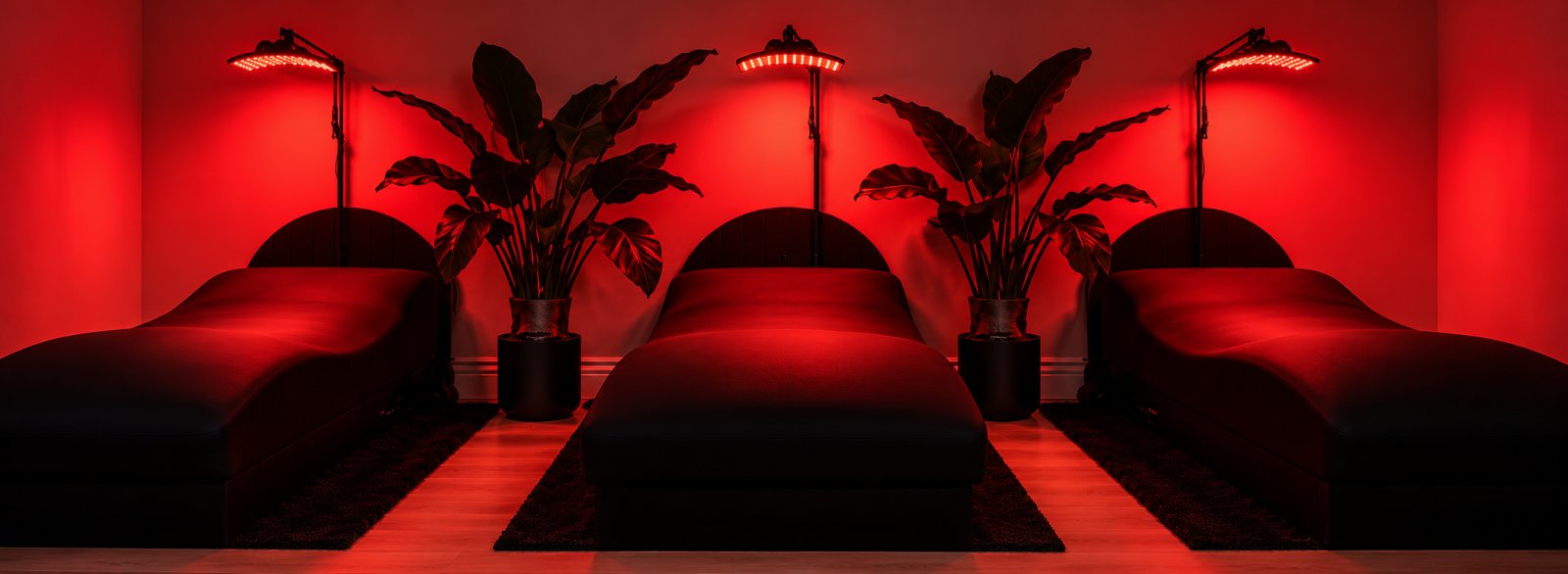
Some people need more than home habits, and that's not a failure. In-office nervous system regulation treatments use guided, hands-on methods to help the body reset. These sessions combine relaxation technology with a calm, private setting.
At Signature Unwind, our Signature Unwind experience pairs advanced relaxation technology with complete privacy. It's built for people who need a real break from a demanding schedule, not another app to manage.
If you're searching for nervous system regulation near me in Los Angeles, look for a provider that explains the method and the science behind it. Ask what happens in a session and how many visits you might need. A good provider answers plainly.
After a session, most people describe feeling lighter and clearer. One of our guests, Makenna, put it this way: "I felt so much lighter and more clear. This is one of the best experiences I have had regarding energy work."
How Long to Regulate Nervous System: Realistic Timelines
Most people notice early shifts within two to four weeks of daily practice. Deeper, lasting change usually takes two to three months of consistent habits. The timeline depends on how long your system has been stuck and how often you practice.
Here's the honest version: there's no single finish line. Your nervous system is always adapting. The goal is a new baseline, not a permanent cure.
| Timeframe | What Most People Notice | What Helps |
|---|---|---|
| First 1-2 weeks | Small calmer moments, easier sleep onset | Daily breathwork, morning light |
| Weeks 3-6 | More stable mood, fewer 3 a.m. wake-ups | Consistent anchors, in-office sessions |
| Months 2-3 | A calmer default state, faster recovery from stress | Full routine, professional support if needed |
Skipping days is fine. Quitting entirely is what stalls progress.
Common Mistakes That Keep a Dysregulated Nervous System Stuck
The biggest mistake is treating regulation as a one-time fix. Your system responds to repetition, not single efforts. A weekend retreat helps, but daily cues are what hold the change.
Other common missteps:
- Chasing intensity. Hard workouts and intense breathwork can add stress when your system is already activated.
- Skipping the basics. Poor sleep and skipped meals keep the stress loop running no matter how much you meditate.
- Doing it all alone. Some patterns need guided support to shift.
- Expecting instant results. Change is gradual, and that's normal.
What most guides miss is that regulation is a skill you build, like strength training. You don't get strong from one gym visit. You get strong from showing up.
When to Seek Professional Help
Seek professional help if symptoms last more than a few weeks, disrupt your sleep or work, or come with panic, chest pain, or low mood. A licensed clinician can rule out medical causes and guide treatment.
Reach out promptly if you notice:
- Panic attacks or a racing heart that won't settle
- Persistent insomnia that affects daily function
- Chest pain, shortness of breath, or dizziness (get medical care first)
- Low mood, hopelessness, or loss of interest in things you enjoy
A therapist trained in nervous system work can teach you targeted skills. A physician can check for thyroid, heart, or hormone issues that mimic stress. For many people, guided care plus daily habits is the combination that finally works.
At Signature Unwind, we support that path with clinician-guided longevity care through our telehealth partner. That includes hormone therapy and other therapies that address the physical side of stress and aging. Our team in Los Angeles is here to help you find the right starting point.
Your nervous system can change, but it needs the right signals and, sometimes, the right support. If daily habits alone haven't moved the needle, Signature Unwind offers a private, award-winning setting for nervous system regulation and regenerative wellness. Our Signature Unwind experience combines advanced relaxation technology with complete privacy, and our clinician-guided care through our telehealth partner addresses the physical side of stress and aging. Book a session with Signature Unwind and give your system the reset it's been waiting for.
Frequently Asked Questions
What are the signs of a dysregulated nervous system?
Common signs of nervous system dysregulation include waking at 3 AM with a racing heart, shallow breathing, jaw clenching, cold hands, digestive upset, feeling wired but tired, and a startle response that fires at small noises. Emotionally, people describe irritability, anxiety that won't settle, or numbness. These signs often cluster together and get worse under sustained stress. If several of these sound familiar, it's worth working through regulation techniques and, if they persist, speaking with a clinician who can rule out other causes.
Can you fix a dysregulated nervous system naturally?
Many people make real progress with natural approaches: consistent sleep and wake times, slow breathing exercises to calm the nervous system, daily movement, time outdoors, and reducing stimulants late in the day. These build a steadier baseline over weeks. For some people, natural methods alone aren't enough, especially after long periods of high stress or trauma. In those cases, combining daily habits with guided treatments and professional support tends to work better than either approach on its own.
How long does it take to regulate your nervous system?
There's no single timeline, but most people notice early changes within two to four weeks of consistent daily practice, such as falling asleep faster or feeling less reactive. Deeper shifts in your baseline often take three to six months. Factors like how long you've been dysregulated, sleep quality, and stress load all affect the pace. Sporadic effort produces sporadic results, so consistency matters more than intensity.
When should you seek professional help for nervous system dysregulation?
Reach out to a professional if symptoms interfere with sleep, work, or relationships for more than a few weeks, or if you experience panic attacks, persistent numbness, or thoughts of self-harm. A clinician can rule out thyroid, cardiac, and other medical causes that mimic dysregulation. Guided treatments, such as those offered at a wellness sanctuary like Signature Unwind in West Los Angeles, can complement clinical care, but they don't replace a medical evaluation when symptoms are severe.