
 how-to
7 Steps to Fix Chronic Sleep Deprivation Fast
Recognizing Chronic Sleep Deprivation Symptoms Before You Start
Chronic sleep deprivation is when you consistently get less sleep than your body needs, building over weeks or months. Most people don't notice until it affects work, mood, and health, so recognizing the signs early makes recovery easier.
The American Academy of Sleep Medicine recommends that most adults get seven or more hours of sleep per night. CDC guidance on sleep and adult health
If several signs sound familiar, don't dismiss them as normal stress. Track your sleep for a week to spot a clearer pattern.
Step-by-Step: Rebuilding Your Sleep Schedule and Habits
Recovering from chronic sleep deprivation takes consistency, not one perfect night. Follow these steps in order:
- Pick one fixed wake time, including weekends.
- Set a consistent bedtime that allows seven or more hours.
- Build a short wind-down routine: dim lights and put screens away 30 to 60 minutes before bed.
- Limit caffeine after noon and skip alcohol close to bedtime.
- Keep your bedroom cool, dark, and quiet.
- Get bright light in the morning to reset your body clock.
- Track progress in a sleep diary for two to three weeks.

Watch out: sleeping in late on weekends can undo your progress and make Monday mornings harder.
Booking Your First Recovery Session at The Signature Unwind
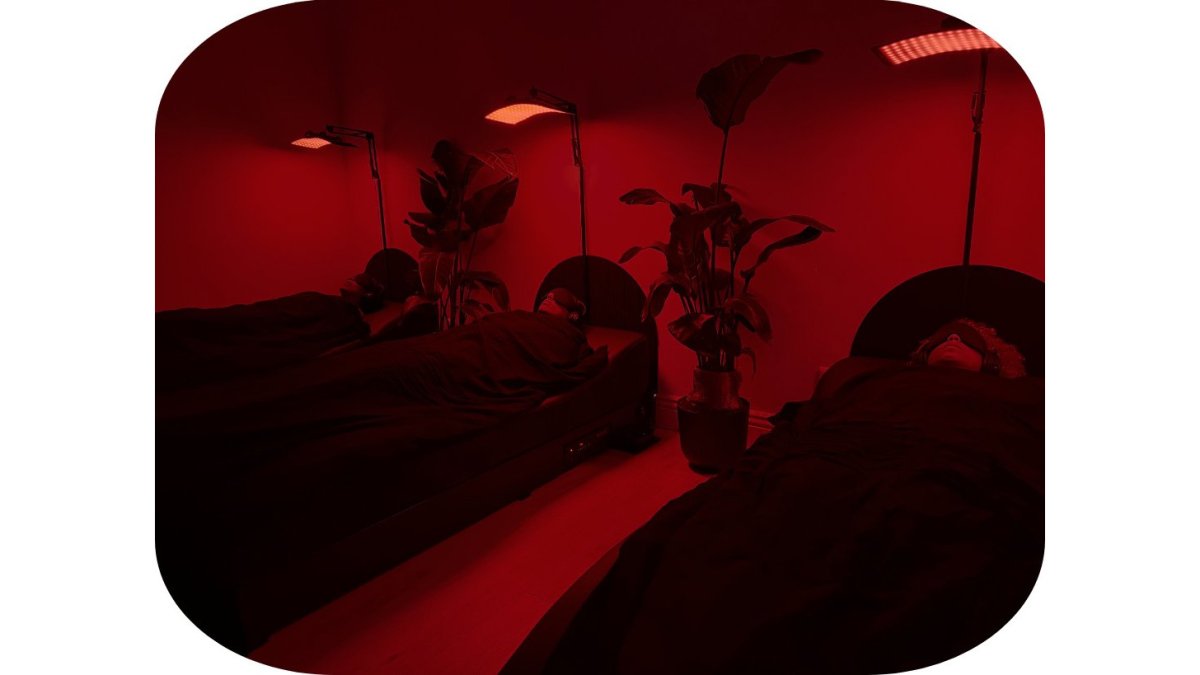
Some people find a structured recovery session helps them unwind between sleep-focused habits. At The Signature Unwind, our Signature Unwind experience combines immersive sound, gentle vibration, therapeutic light, weighted compression, and sensory relaxation in a private setting. Book your Signature Unwind session to see how it fits your routine.
Before you commit, read what a private wellness session involves so you know what to expect at your first visit.
Consistent habits matter most. Start with the first two steps this week, and build from there.